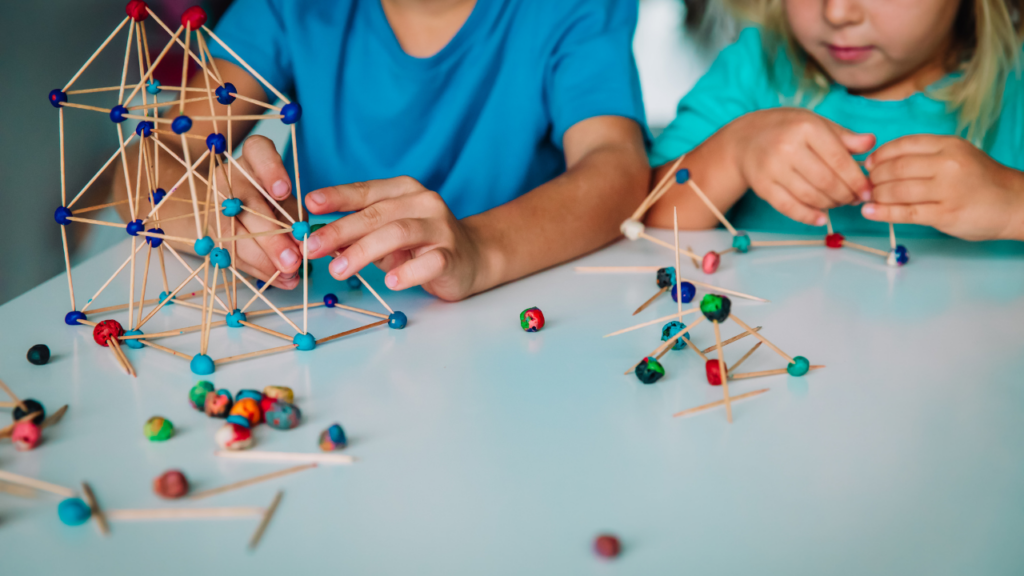
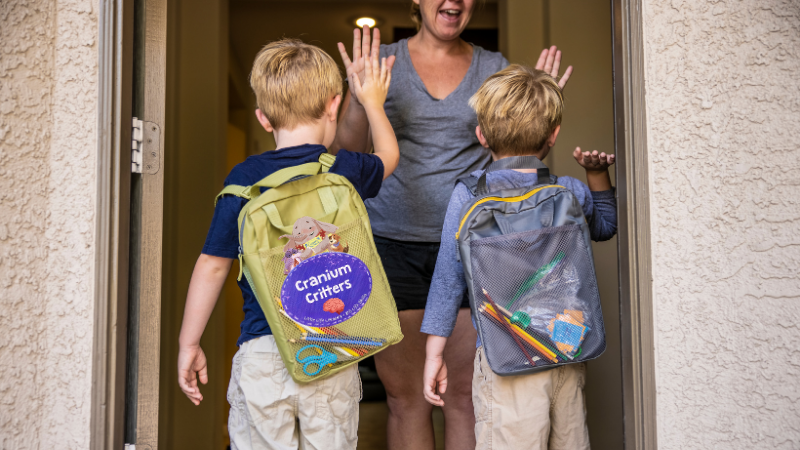
The Power of STEAM for Strong Brain Development
Engaging in STEAM activities can benefit brain development, particularly in the areas of executive function for elementary students.
The Power of STEAM for Strong Brain Development Read More »
Engaging in STEAM activities can benefit brain development, particularly in the areas of executive function for elementary students.
The Power of STEAM for Strong Brain Development Read More »
As the warmer weather approaches, parents face a familiar challenge: how to encourage their children to step away from screens and engage in meaningful activities. While it may seem that children can pay attention to screens for hours without any apparent issues, it is crucial to recognize the long-term consequences of excessive screen time on
10 Tips for Successfully Implementing a Structured Screen Time Plan Read More »
The start of a new school year often comes with a mix of excitement, curiosity… and yes, a few jitters. Adjusting to a new classroom, a different teacher, and a whole new group of classmates can stir up nerves—or even a little anxiety—in children. This is completely normal. But when strong emotions take hold, it
Simple Memory Strategy for Easing Back-to-School Anxiety Read More »
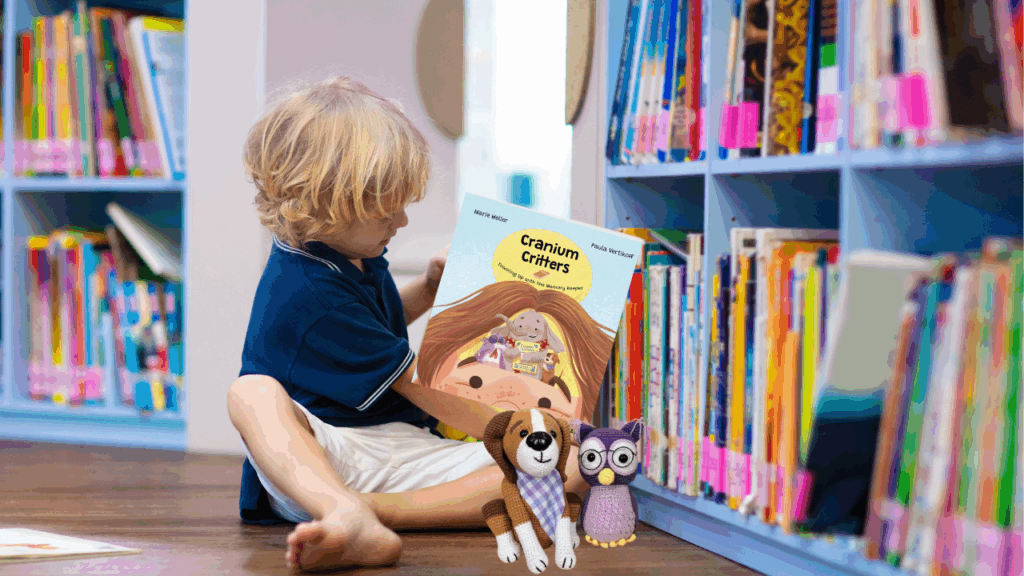
Just like a winning team, the different parts of your child’s brain perform best when they communicate and cooperate. With the upcoming launch of Cranium Critters: Teaming Up with the Memory Keeper, now is a perfect time to explore how thoughts, emotions, and memories collaborate to help children navigate life’s ups and downs. The Brain’s
How The Cranium Critters Empower Your Child’s Amazing Brain Read More »
We know that anxiety can be tough to deal with, especially when it seems like the “worry monster” is always lurking around the corner. But here’s the thing: that worry monster is a big fat liar. It loves to play the “What if?” mind game, focusing on the worst case scenario, which leaves us feeling
The “What If?” Game: Tips for Taming the Worry Monster Read More »
Are you looking for ways to keep your kids active and learning during the winter months? The chilly season might seem like a time for hibernation, but it’s actually the perfect opportunity to strengthen essential life skills—all while having fun. Executive function skills are the brain’s “management system.” These skills—such as planning, decision-making, problem-solving, and
Winter Fun with Purpose: 10 Great Brain Boosting Activities for Kids Read More »
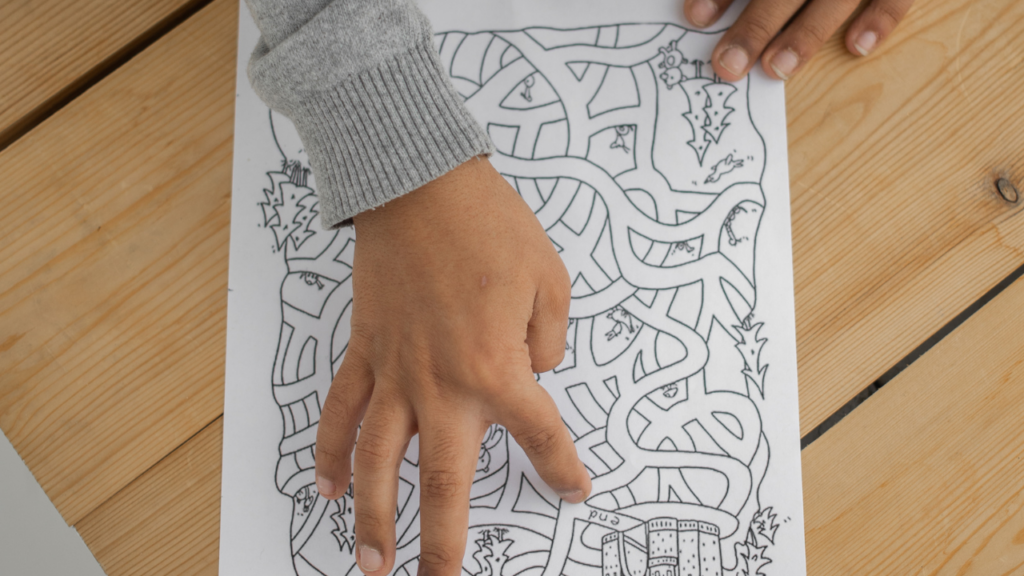
Have you ever planned your day, only to have things go completely off track? Maybe a traffic jam caused you to miss an important meeting. Perhaps you were all set to enjoy a sunny day at the park, only to be caught in a sudden downpour. For kids, these situations might look different, but the
AMAZING Ideas – Teaching Flexible Thinking with Mazes Read More »
Have you ever noticed how children’s emotions can take over in a flash? Maybe you’ve seen a student’s frustration boil over during a tricky math problem or their anxiety spike when the unexpected happens. When this happens, unproductive words and actions can follow and even spiral out of control. As adults, we know that emotions
Shake Up Your SEL with a Mind Jar Read More »
Remember those classic activities we used to do as kids, like word searches, crossword puzzles, and “Seek & Find” games? They were often assigned as busy work or something to pass the time, but did you know they also offer numerous benefits for brain development? It’s time to bring these classic activities back into the
These Classic Games are Fun and Good for Your Brain! Read More »
Have you ever heard the quote, “You can’t put an old head on young shoulders”? It’s a proverb that emphasizes the value of experience in making wise decisions. My Irish Nana, like many grandparents of her generation, often used this saying to remind us that maturity and life experience are essential for navigating complex situations.
Parenting in the Age of Screens: Finding a Healthy Balance Read More »

Have you ever wondered why children seem so immersed in play, as if it’s the most important thing in the world? What if I told you that for children, play is their most important work? Through play, children develop critical skills that shape their social and emotional development, and it’s much more than just fun
It May Look Like Fun, But Play is Actually a Child’s “Work” Read More »
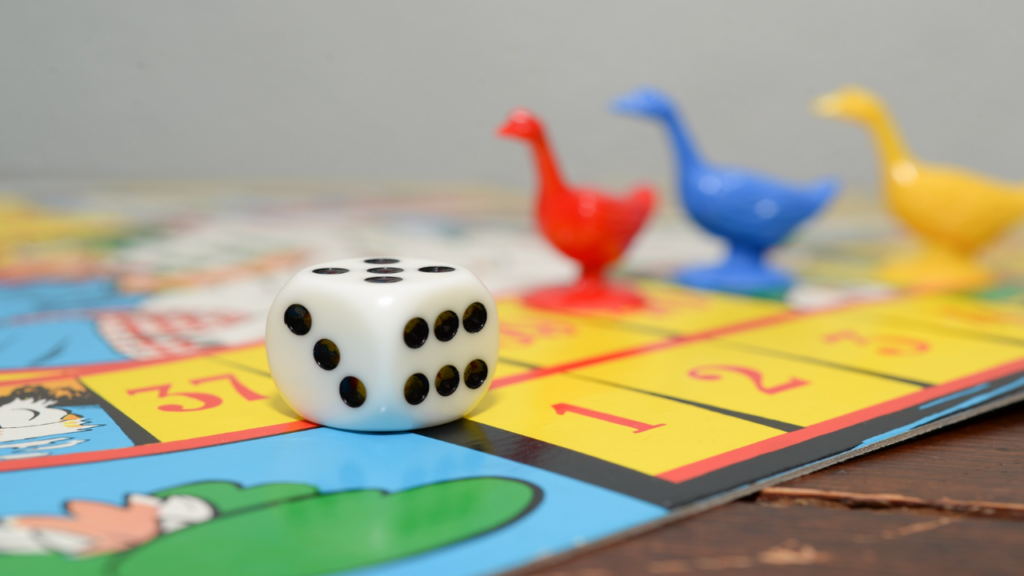
Did you know that in addition to being fun to play, board games provide great exercise for your child’s brain? Board games can be an enjoyable way for all kids, including those with learning and attention challenges, to build their brain’s executive function skills. Executive functions are the mental processes that are required to pay
10 Great Games for Boosting Executive FUNctioning! Read More »
Breathing beads are simple yet effective tools designed to harness the power of the brain in promoting mindfulness and self-regulation.
Little Beads, Big Impact: Using Breathing Beads with Kids Read More »
Have you ever felt like your thoughts are swirling around like glitter in a snow globe after a vigorous shake? Well, that’s exactly what can happen to our minds when we experience strong emotions. But just like the calming descent of those shimmering flecks, we can learn to quiet the storm within and regain our
How to use a Mind Jar as a Teaching Tool for Calming Strong Emotions Read More »
We live in a society that often tells us that happiness can be found in material possessions and external circumstances. We’re bombarded with advertisements telling us that if we just buy the latest gadget or designer handbag, we’ll find joy and fulfillment. Around the holidays, the word “joy” echoes in the songs we sing, the
Unwrapping Joy: How to Find and Create Joy Read More »
Have you ever wondered how learning unfolds in our minds, much like the intricate folds of an origami project? Imagine the human brain as a complex origami masterpiece, with each fold representing a new learning experience. As we navigate the challenges and triumphs of learning, we forge neural pathways that shape our understanding of the
Unfolding the Secrets of Learning: An Origami Lesson Read More »
As teachers and parents, we know that children can often become overwhelmed, frustrated, or anxious in the classroom or at home. In these moments, it is important to have a designated calming space where children can go to reset their minds and calm their bodies. One way to create a calming space is to set
From Chaos to Calm: Unlock the Power of the Pause Place Read More »

Hey Teachers! What if we told you that by doing nothing, your students could benefit greatly in the classroom? Sounds too good to be true, right? Well, it’s not. We’re talking about mindfulness, and it’s a practice that has proven to reduce problematic behaviors in the classroom while providing a host of other benefits for
Mindfulness: How to Improve Everything by Doing Nothing Read More »
Dear Ordinary Extraordinary Humans – Welcome to an exciting exploration of the fascinating world of distractions! In our children’s picture book, “Cranium Critters: Einstein Acts When Squirrels Distract,” we explore the mischievous realm of squirrels—the kind that cause all kinds of nutty nonsense and distract us from our goals. Join us on a journey to
The Distraction Dilemma: How to Outsmart the Squirrels Read More »
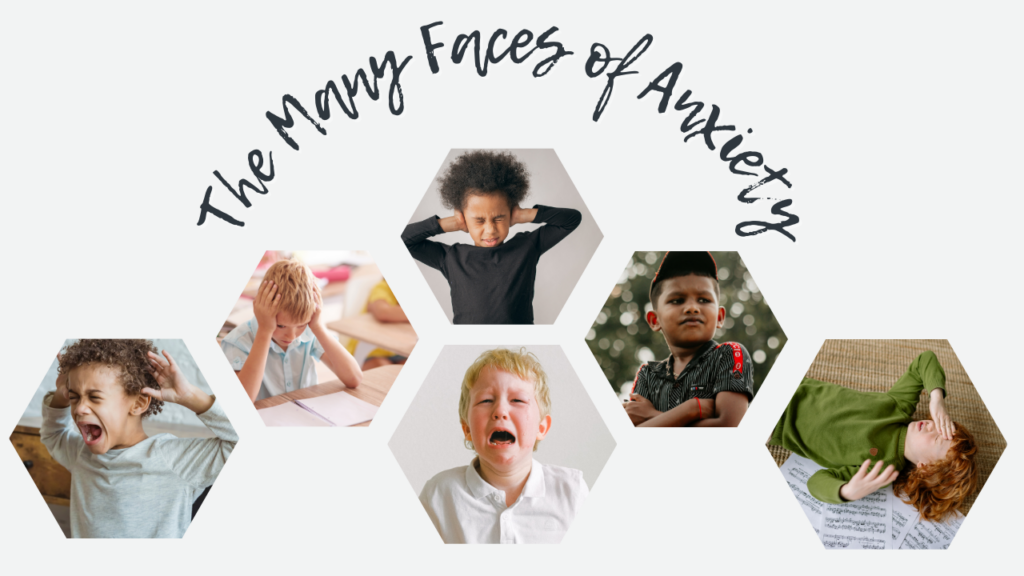
Do you remember the first time you encountered anxiety? Perhaps it was a fluttering in your stomach before a big test or a sudden rush of unease in a new situation. Anxiety can be a complex and elusive emotion, especially for children. In my work with elementary students, I’ve seen how anxiety can manifest in
Anxiety: Secrets to Unmasking the Many Faces it Wears Read More »
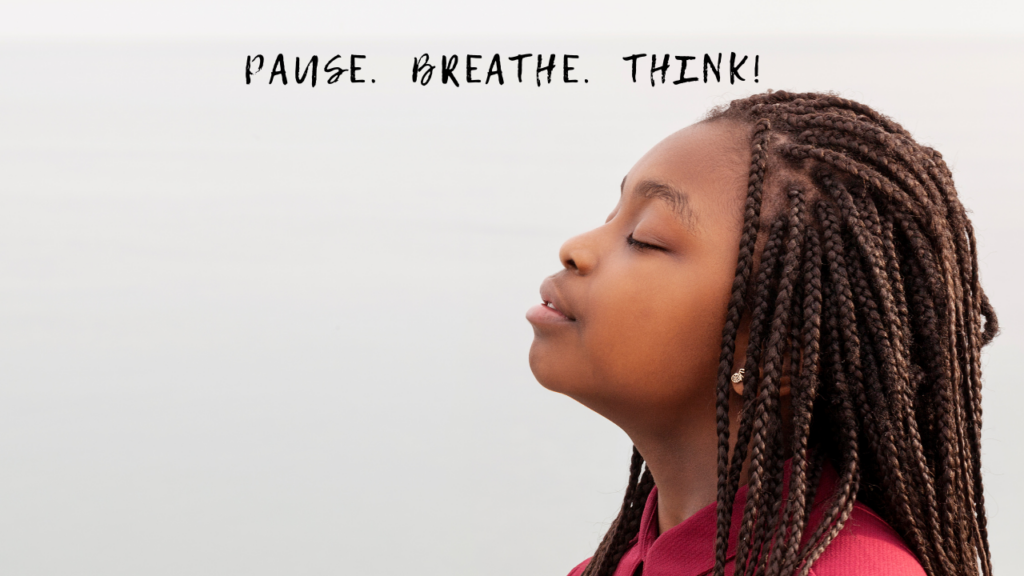
Has this ever happened to you? You’re in your kitchen when, without thinking, you grab the lid off a hot pot with your bare hands. What happens next? If your first instinct is to yank your hand away, congratulations! You’ve just demonstrated a classic example of an impulse – an automatic reaction without much thought.
Pause. Breathe. Think! A Simple Strategy for Impulse Control Read More »
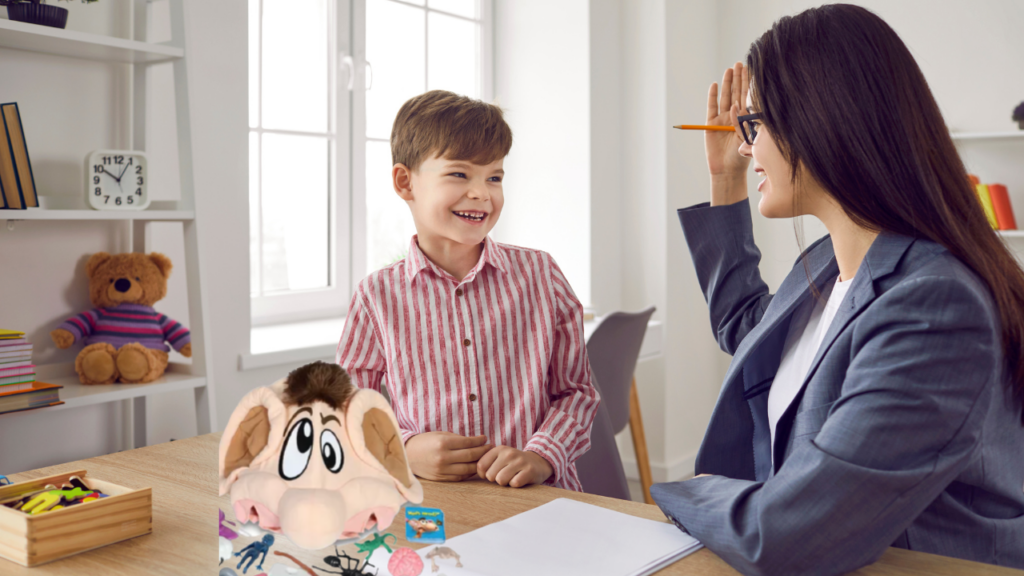
As an elementary school counselor, I’m always on the lookout for engaging tools to teach social-emotional skills. Enter What’s in Ned’s Head, a whimsical game that has become a favorite game in my counseling sessions. This quirky and delightful game not only captivates young minds but also provides practical ways to illustrate inside-the-head and outside-the-head
Ned’s Head: An Engaging Game and Powerful Teaching Tool Read More »
As the sun begins to set, you find yourself sitting behind the wheel of your car, ready to embark on a flurry of evening activities. As you navigate the familiar route home, your mind springs into action, engaging in a mental dress rehearsal of the tasks that lie ahead. You mentally choreograph the evening’s agenda—picking
A Mental Dress Rehearsal: Planning in Your Mind Read More »
As parents and teachers, we often find ourselves struggling to navigate the emotional ups and downs of our children. One moment they are overjoyed with excitement, and the next, they are reduced to tears. It can be challenging to know how to help our children manage their emotions effectively. However, by understanding the science of
Unlocking The Secrets Of Emotion: A Guide For Parents And Teachers Read More »
Parenting is no easy feat. It’s a job that requires patience, perseverance, and a lot of love. But one thing that often gets overlooked is the importance of allowing children to experience a range of emotions, even the uncomfortable ones. As much as we want to protect our kids from pain and discomfort, it’s important
Sad Isn’t Bad: How to Cope While Letting Kids Grow Read More »
Hi everyone! Have you ever heard of affirmations? Affirmations are simple, positive statements that we repeat to ourselves to provide encouragement and motivation. And did you know that they are based on science? Our brain’s language is repetition. Whatever we say or think or do repeatedly sticks in our brain. When we practice doing something
Affirmations: Powerful Little Pep Talks for Your Brain Read More »
Today, we’re going to be talking about something that affects all of us – memories. Did you know that we have the power to shape the memories that others have of us? That’s right, everything we do and say gets stored in “memory files” in the minds of those around us, and it’s up to
The Art of Memory Making: How to Create Positive Thoughts in the Minds of Others Read More »
As a parent or teacher of a child with executive function challenges, you may have noticed that your kid struggles with tasks that require organization, planning, or self-regulation. These skills, known as executive function skills, are important for helping us achieve our goals and succeed in school, work, and other areas of life. Before we
Visualizing Success: How to Teach “Future Thinking“ Read More »
Imagine this: your child is faced with a problem at school and instead of feeling frustrated or overwhelmed, they confidently come up with a creative solution. As a parent, you know that this kind of adaptability and flexibility is key to your child’s success in school and in life. But how can you help your
Using Flexible Thinking to Cope with the Unexpected Read More »
As the new year approaches, it’s a great opportunity for parents and teachers to help their elementary aged children develop a growth mindset. But what exactly is a growth mindset? It’s the belief that one’s abilities and intelligence can be developed and improved through effort and perseverance. This is in contrast to a fixed mindset,
New Year, New Mindset: Cultivating a Growth Mindset Read More »
Throughout the holiday season, many of us find ourselves caught up in the excitement of gift-giving and receiving. We rush to buy the perfect presents, wrap them up with care, and place them under the tree, eagerly awaiting the moment when we can finally see the looks of joy on our loved ones’ faces as
The Present of Presence: The Greatest Gift of All Read More »
Sensations are the clues that our body gives us about our feelings. They can range from physical sensations, such as a racing heart or butterflies in the stomach, to mental sensations, such as a racing mind or difficulty concentrating. It is important for children to learn how to listen to these sensations and understand what
The Power of Sensations: Understanding the Body’s Amazing Clues Read More »
Gratitude is the feeling of being thankful and appreciative for something or someone. It’s a powerful emotion that can have a huge impact on our mental and physical well-being. Research has shown that practicing gratitude can have a number of benefits for the brain. For example, it can help to reduce stress and anxiety, improve
An Attitude of Gratitude Can Change Your Life Read More »
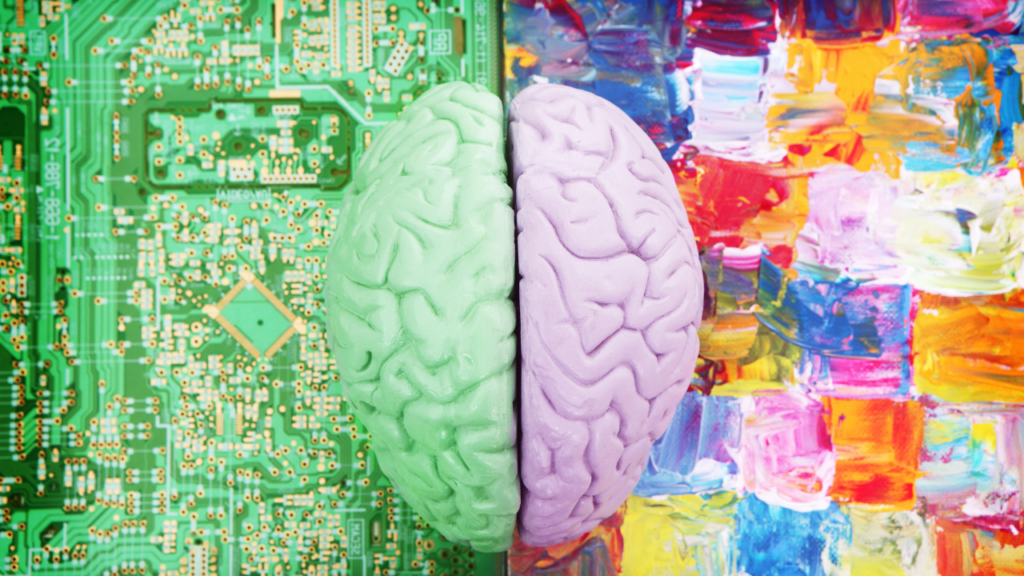
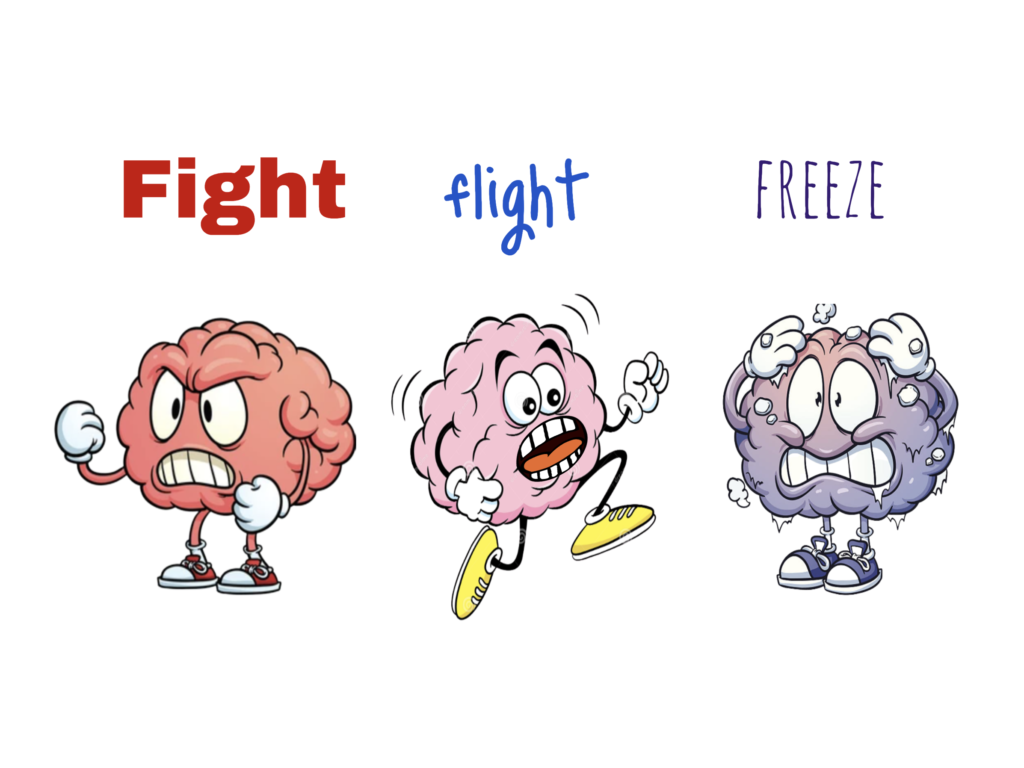
It’s natural to want to protect children from danger and help them to feel safe. But sometimes, our brains can react to potentially dangerous situations in ways that are not always helpful. This is known as the fight, flight, or freeze response, and it’s a natural part of the way our brains are wired. When
The 3 F’s of Survival: Understanding the Fight, Flight, or Freeze Response Read More »
Mindfulness is the practice of paying attention to the present moment, without judgment. It helps us become more aware of our thoughts, feelings, and surroundings, and can help us find more peace and calm in the midst of busyness and chaos. There are many benefits to practicing mindfulness with children, including: If you are interested
Merry Mindfulness: 5 Simple Activities that turn Chaos into Calm Read More »
Do you ever wonder what’s happening in your brain when you experience strong emotions? How can understanding the inner workings of the brain empower children (and adults) to better manage their thoughts, feelings, and actions? Let’s explore the fascinating world of the brain and how teaching children about its functions can give them the tools
How to Teach Emotion Regulation with Cranium Critters Read More »

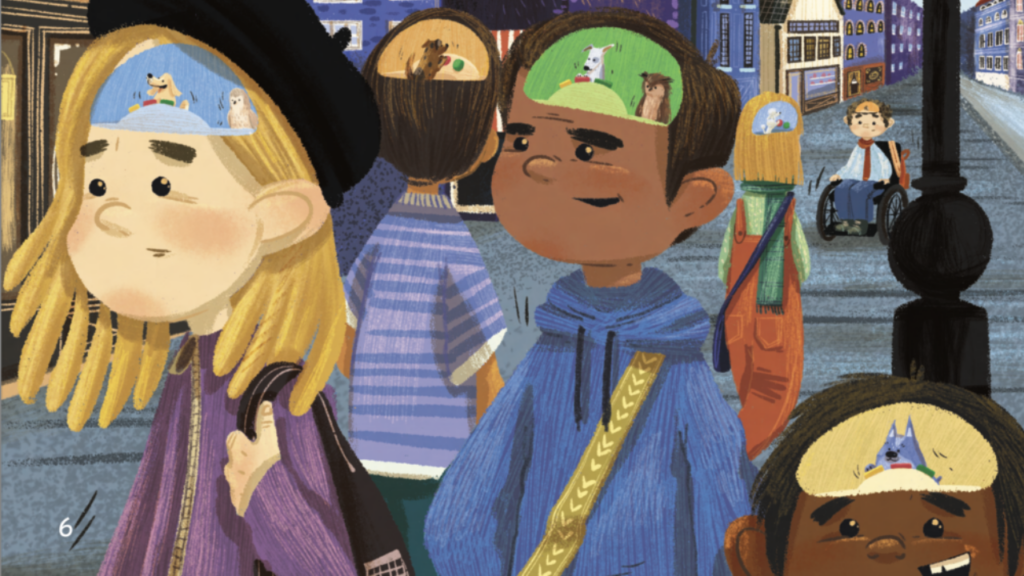
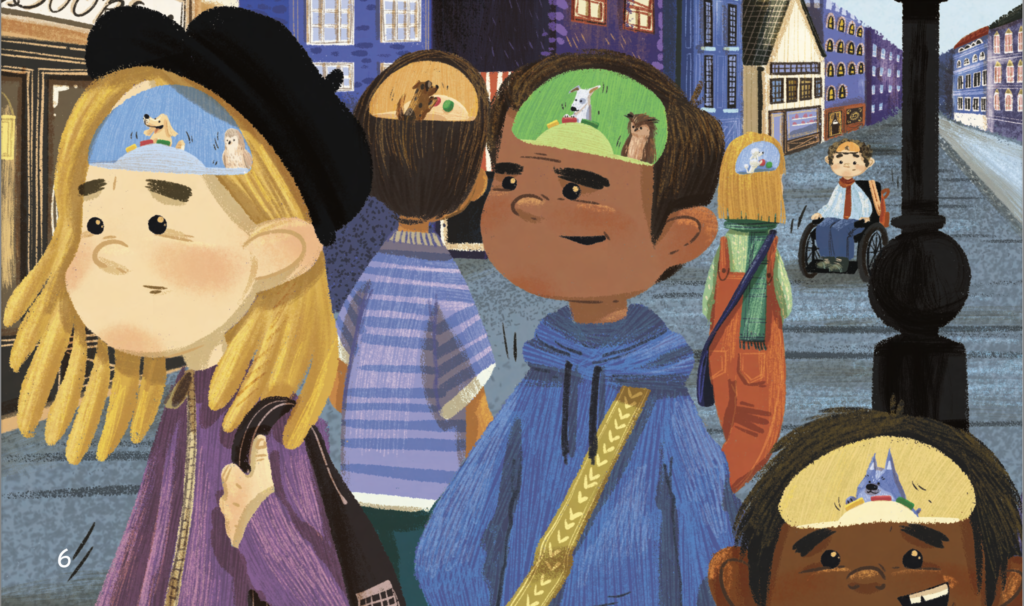
Cranium Critters™ help children to understand how different parts of the brain play different roles in keeping us safe and helping us think and make decisions. One important part of the brain is the amygdala, which acts like a safety pup. The amygdala’s job is to protect us from danger by quickly detecting potential threats
Calm the Brain’s Safety Pup and Keep the Wise Owl Thinking Read More »