

New Year, New Mindset: Cultivating a Growth Mindset
As the new year approaches, it’s a great opportunity for parents and teachers to help their elementary aged children develop a growth mindset. But what exactly is a growth mindset? It’s the belief that one’s abilities and intelligence can be developed and improved through effort and perseverance. This is in

Mean Doesn’t Always Mean MEAN: How to Avoid An Awkward Social Situation
When your child complains about another child being “mean”, it might not mean what you think it means! As your child grows and begins to navigate their social relationships, it’s natural for them to encounter moments where they feel like someone is being mean or treating them unfairly. It can

“It’s a Wonderful Life” – An Inspiring Reminder
“Each man’s life touches so many other lives. When he isn’t around he leaves an awful hole, doesn’t he?” This line from the movie “It’s a Wonderful Life” really strikes a chord with me. I’ve seen the movie dozens of times. Yet once again this holiday season, Clarence, an angel-in-training,

The Present of Presence: The Greatest Gift of All
Throughout the holiday season, many of us find ourselves caught up in the excitement of gift-giving and receiving. We rush to buy the perfect presents, wrap them up with care, and place them under the tree, eagerly awaiting the moment when we can finally see the looks of joy on

Airing of the Grievances: Healthy Communication or Recipe for Conflict?
Festivus, the holiday made popular on the TV show Seinfeld, is celebrated on December 23rd. This parody of traditional holiday celebrations includes the annual Festivus tradition known as “airing of grievances,” where participants tell others how they have disappointed or frustrated them over the past year. While it is true

The Power of Sensations: Understanding the Body’s Amazing Clues
Sensations are the clues that our body gives us about our feelings. They can range from physical sensations, such as a racing heart or butterflies in the stomach, to mental sensations, such as a racing mind or difficulty concentrating. It is important for children to learn how to listen to
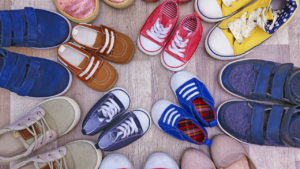
Empathy: How to Stand in Someone Else’s Shoes
As parents and teachers, it is our responsibility to nurture and teach our children about empathy. Empathy is a crucial skill that helps children understand and connect with others, leading to better relationships, improved social skills, and ultimately, a more compassionate society. One of the benefits of teaching children about

An Attitude of Gratitude Can Change Your Life
Gratitude is the feeling of being thankful and appreciative for something or someone. It’s a powerful emotion that can have a huge impact on our mental and physical well-being. Research has shown that practicing gratitude can have a number of benefits for the brain. For example, it can help to
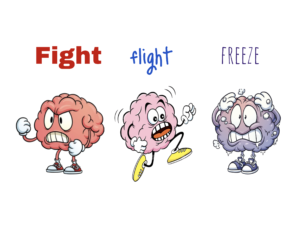
The 3 F’s of Survival: Understanding the Fight, Flight, or Freeze Response
It’s natural to want to protect children from danger and help them to feel safe. But sometimes, our brains can react to potentially dangerous situations in ways that are not always helpful. This is known as the fight, flight, or freeze response, and it’s a natural part of the way
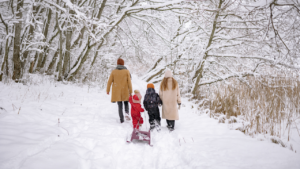
Merry Mindfulness: 5 Simple Activities that turn Chaos into Calm
Mindfulness is the practice of paying attention to the present moment, without judgment. It helps us become more aware of our thoughts, feelings, and surroundings, and can help us find more peace and calm in the midst of busyness and chaos. There are many benefits to practicing mindfulness with children,
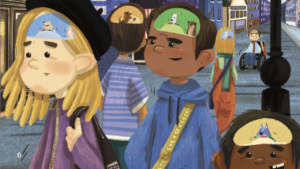
How to Teach Emotion Regulation with Cranium Critters
Do you ever wonder what’s happening in your brain when you experience strong emotions? How can understanding the inner workings of the brain empower children (and adults) to better manage their thoughts, feelings, and actions? Let’s explore the fascinating world of the brain and how teaching children about its functions
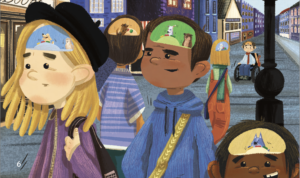
Calm the Brain’s Safety Pup and Keep the Wise Owl Thinking
Cranium Critters™ help children to understand how different parts of the brain play different roles in keeping us safe and helping us think and make decisions. One important part of the brain is the amygdala, which acts like a safety pup. The amygdala’s job is to protect us from danger